INTRODUCTION
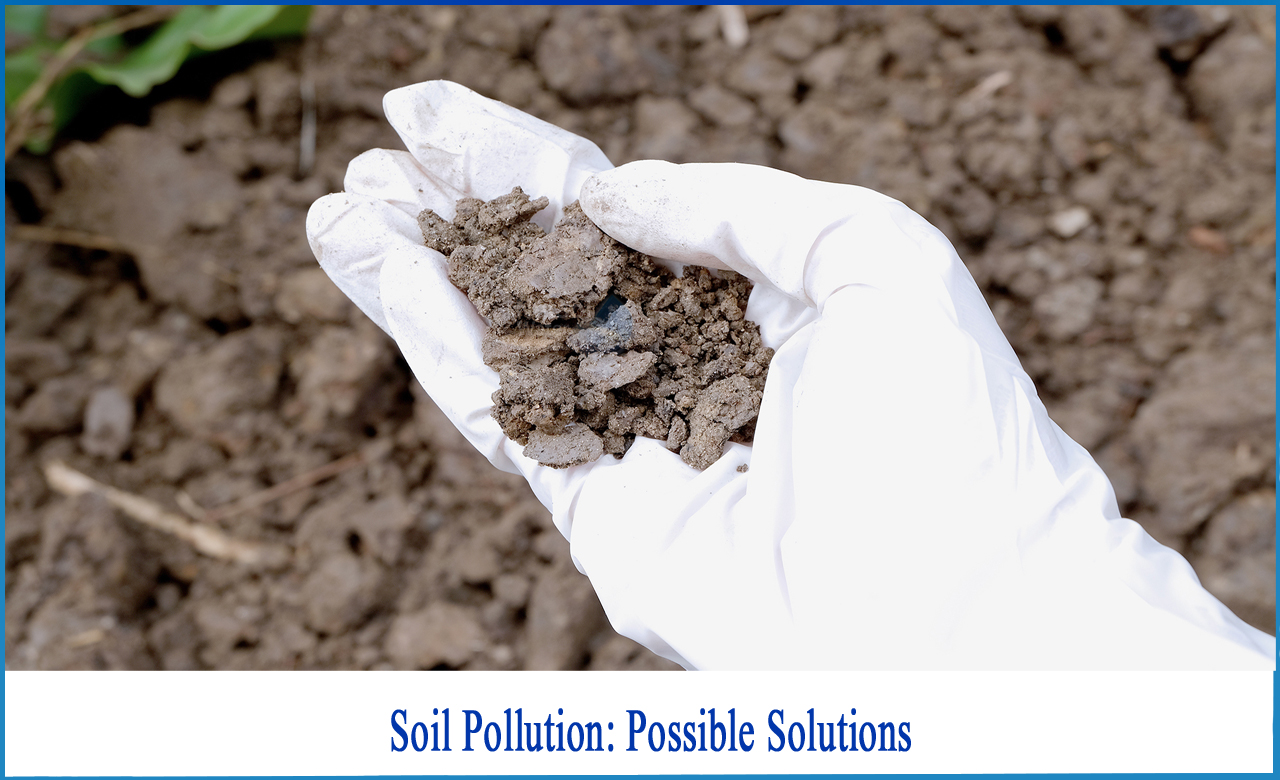
“Soil pollution” refers to the presence of a chemical or substance out of place and/ or present at a higher than normal concentration that has adverse effects on any non-targeted organism (FAO and ITPS, 2015). Although the majority of pollutants have anthropogenic origins, some contaminants can occur naturally in soils as components of minerals and can be toxic at high concentrations. Soil pollution often cannot be directly assessed or visually perceived, making it a hidden danger.
Types of soil pollution
1.Chemical Pollutants:
Heavy Metals:Lead, cadmium, mercury, arsenic, and chromium are toxic elements often found in contaminated soils, primarily due to industrial processes, mining, and improper waste disposal.
Pesticides & Herbicides: Chemicals used in agriculture to control pests and weeds often remain in the soil for extended periods, leading to contamination.
Petroleum Hydrocarbons: Oil spills, leaks from underground storage tanks, and industrial activities introduce hydrocarbons (such as benzene, toluene, and xylene) into the soil, affecting soil quality.
Industial Chemicals: Factories and refineries release chemicals like polychlorinated biphenyls (PCBs), dioxins, and other hazardous substances into the environment.
2.Biological Pollutants:
Pathogens: Bacteria, viruses, and parasites can enter the soil from untreated sewage or agricultural run-off containing animal waste.
3. Waste Materials:
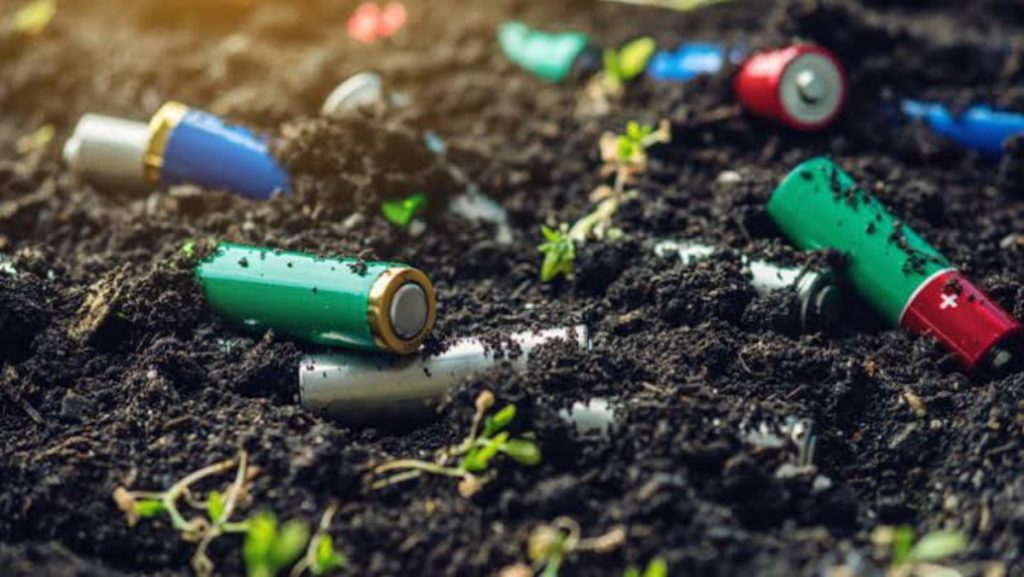
Solid Waste: Improper disposal of non-biodegradable materials (e.g., plastics, metals) leads to long-term contamination.
E-Waste: Disposal of electronics introduces hazardous metals like lead, mercury, and cadmium into the soil.
Some Videos related to soil pollution
Images related to soil pollution

STUDY MATERIAL

About FOUNDER